

Boost Your Home's Energy Efficiency Now: Home Energy Optimization Tips
When I first moved into my home, I quickly realized how much energy was being wasted. The bills were higher than I expected, and the house just didn’t feel as comfortable as it should. If you’re like me, you want to save money, reduce your environmental impact, and make your home a cozy place to live. The good news? You can boost your home’s energy efficiency now with some simple, practical steps. Let’s dive into some home energy optimization tips that really work.
Easy Home Energy Optimization Tips You Can Start Today
Improving your home’s energy efficiency doesn’t have to be complicated or expensive. Sometimes, small changes make a big difference. Here are some of my favorite tips that you can start implementing right away:
Seal those leaks: Check around windows, doors, and any gaps where air might sneak in or out. Use weatherstripping or caulk to seal these spots. This keeps your home warmer in winter and cooler in summer.
Upgrade your lighting: Swap out old incandescent bulbs for LED bulbs. They use up to 80% less energy and last much longer.
Use smart thermostats: These devices learn your schedule and adjust the temperature automatically, so you’re not heating or cooling an empty house.
Unplug unused electronics: Even when turned off, many devices still draw power. Unplug chargers, TVs, and other gadgets when you’re not using them.
Add insulation: If your attic or walls are poorly insulated, adding more can keep your home’s temperature steady and reduce heating and cooling costs.
These tips are easy to do and can start saving you money immediately. Plus, they make your home more comfortable year-round.

Which Appliance Is a Real Energy Drainer?
You might be surprised to learn which appliance in your home uses the most energy. For me, it was the refrigerator. It runs 24/7, so even small inefficiencies add up over time. Here’s what I found out:
Older refrigerators can use up to 40% more energy than newer, energy-efficient models.
Keeping the fridge too cold wastes energy. The ideal temperature is 37-40°F for the fridge and 0°F for the freezer.
Make sure the door seals are tight. If cold air escapes, the fridge works harder.
Don’t overload the fridge; air needs to circulate to keep everything cool efficiently.
Other big energy users include water heaters, clothes dryers, and HVAC systems. Regular maintenance, like cleaning filters and servicing your HVAC, can keep these appliances running efficiently.

How to Improve Your Home’s Heating and Cooling Efficiency
Heating and cooling usually account for the largest chunk of your energy bill. Here’s how I tackled this challenge:
Regular HVAC maintenance: Change filters every 1-3 months and schedule annual professional checkups.
Use ceiling fans: Fans help circulate air, making rooms feel cooler in summer and warmer in winter when reversed.
Close vents in unused rooms: This directs airflow to the spaces you use most.
Install programmable thermostats: Set temperatures lower when you’re asleep or away.
Consider window treatments: Heavy curtains or blinds can block heat in summer and keep warmth in during winter.
By focusing on heating and cooling, you can cut your energy use significantly without sacrificing comfort.
Smart Water Heating Solutions That Save Energy
Water heating is another area where many homes waste energy. Here’s what I did to improve mine:
Lower the water heater temperature: Setting it to 120°F is usually enough for most households.
Insulate your water heater and pipes: This keeps water hot longer and reduces heat loss.
Install low-flow showerheads and faucets: They reduce water use without sacrificing pressure.
Consider tankless water heaters: These heat water on demand, so you’re not keeping a tank full of hot water all the time.
These changes not only save energy but also reduce your water bill.
Simple Habits That Make a Big Difference
Sometimes, the best energy savings come from changing daily habits. Here are some easy ones I adopted:
Turn off lights when leaving a room.
Wash clothes in cold water.
Air dry clothes when possible.
Use microwaves or toaster ovens for small meals instead of the full oven.
Close doors to rooms you’re not using to keep heating or cooling focused.
These small actions add up over time and help you maintain an energy-efficient home.
If you want to take it a step further, you can always improve home energy efficiency by consulting with professionals who can assess your home and recommend tailored solutions.
Taking Control of Your Home’s Energy Use
Making your home more energy-efficient is a journey, not a one-time fix. By combining smart upgrades with simple habits, you’ll see your energy bills drop and your home become more comfortable. Plus, you’ll be doing your part to protect the environment.
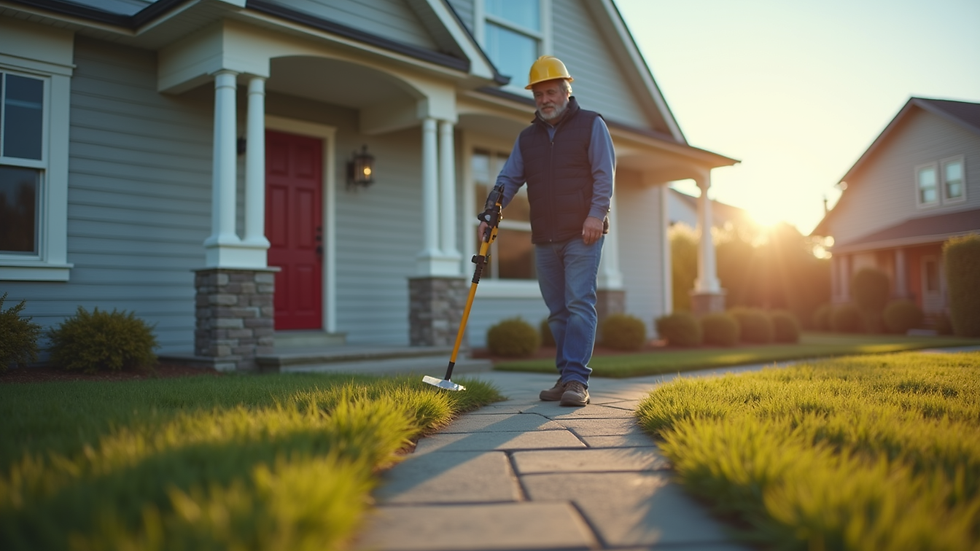
Remember, every home is different. What works for one might not be perfect for another. That’s why it’s important to keep learning and adjusting your approach. If you’re ready to take the next step, consider getting a professional home energy audit. It’s a great way to identify hidden energy drains and get personalized recommendations.
Start today, and you’ll be amazed at how much you can save and how much better your home will feel.


Comments