

Different Home Inspection Types Explained: Your Guide to Smart Property Decisions
- Feb 23
- 5 min read
Buying or owning a home is a big deal. Whether you’re stepping into the market for the first time or you’ve been around the block, understanding the different home inspection types can save you from costly surprises. I’ve been through this process myself, and I know how overwhelming it can feel. That’s why I want to walk you through the most common inspections, what they cover, and why they matter. Let’s dive in and make sure you’re fully prepared to protect your investment.
Understanding Home Inspection Types: What You Need to Know
When you hear the term home inspection, you might picture someone walking through a house with a clipboard, checking off boxes. While that’s part of it, the reality is a bit more complex. There are several specialized inspections, each focusing on different aspects of a property. Knowing these can help you decide which ones you need based on your situation.
For example, a general home inspection covers the basics like the roof, foundation, plumbing, and electrical systems. But if you’re buying an older home, you might want to add a termite inspection or a radon test. If you’re planning renovations, a structural inspection could be crucial.
Here’s a quick overview of why these inspections matter:
Prevent costly repairs by identifying issues early.
Negotiate better deals with sellers when problems are found.
Ensure safety for you and your family.
Plan maintenance to keep your home in top shape.
If you want to explore more about types of home inspections, this guide will give you a solid foundation.

Common Home Inspection Types You Should Know
Let’s break down the most common home inspection types you’ll encounter. Each one has a specific focus, and understanding them will help you decide which inspections are right for your property.
1. General Home Inspection
This is the most typical inspection and usually the first step in the process. A certified inspector will evaluate the overall condition of the home, including:
Roof and gutters
Foundation and basement
Plumbing and electrical systems
HVAC (heating, ventilation, and air conditioning)
Windows, doors, and walls
Appliances and fixtures
The goal is to identify any major defects or safety concerns. This inspection gives you a clear picture of the home’s health and helps you avoid unexpected repairs.
2. Termite and Pest Inspection
Especially important in areas like Tuscaloosa, Alabama, where termites can cause serious damage. A pest inspector looks for signs of infestation, damage, and conditions that might attract pests. If termites or other pests are found, you’ll want to address this before closing on the home.
3. Radon Inspection
Radon is a naturally occurring radioactive gas that can seep into homes through cracks in the foundation. It’s odorless and invisible but can pose serious health risks. A radon test measures the levels in your home, and if they’re high, mitigation steps can be taken.
4. Sewer Line Inspection
This inspection uses a camera to check the condition of the sewer pipes leading away from your home. It’s especially useful for older homes where tree roots or corrosion might cause blockages or leaks.
5. Roof Inspection
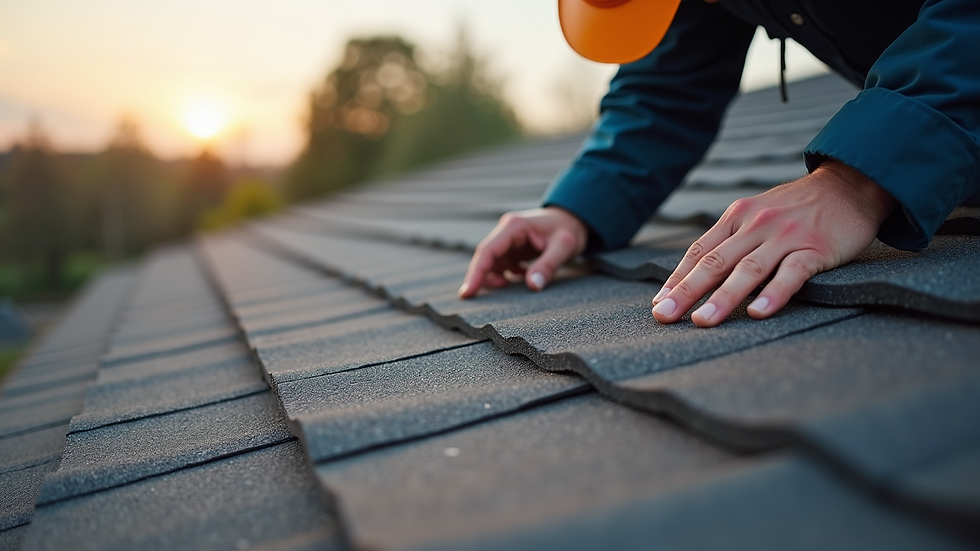
While a general inspection covers the roof, a dedicated roof inspection goes deeper. It looks at the condition of shingles, flashing, gutters, and the overall structure. This is crucial if the roof is older or if you notice leaks.
6. Mold Inspection
Mold can be a hidden problem, especially in humid climates. A mold inspection checks for visible mold and tests air quality to detect spores. Mold can affect your health and damage your home, so catching it early is key.
What are the 4 types of inspections?
If you’re wondering about the core inspections that most homebuyers focus on, here’s a quick rundown of the four main types:
General Home Inspection - The broad overview of the property’s condition.
Pest Inspection - Checking for termites and other pests.
Radon Inspection - Testing for dangerous radon gas levels.
Sewer Line Inspection - Camera inspection of underground sewer pipes.
These four cover the essentials and are often recommended together to give you a comprehensive understanding of the home’s condition. Depending on your property and concerns, you might add others like mold or roof inspections.
How to Choose the Right Inspections for Your Home
Choosing the right inspections depends on several factors, including the age of the home, location, and your plans for the property. Here are some tips to help you decide:
Age of the home: Older homes often need more detailed inspections like sewer line or electrical system checks.
Location: In areas prone to pests or radon, those specific inspections are a must.
Your plans: If you’re renovating or expanding, structural or HVAC inspections might be necessary.
Budget: While it’s tempting to skip some inspections to save money, think of it as an investment. Catching problems early can save thousands later.
Always work with a reputable inspection company that understands local conditions. For example, Sweetwater Home Inspections specializes in Tuscaloosa homes and knows what to look for in this region.
What to Expect During a Home Inspection
Knowing what happens during an inspection can ease your nerves and help you get the most out of the process. Here’s what typically goes down:
Scheduling: You’ll set a date with the inspector, ideally before finalizing your purchase.
Walkthrough: The inspector will tour the home, checking all major systems and components.
Report: After the inspection, you’ll receive a detailed report with photos, descriptions, and recommendations.
Review: Take time to go over the report carefully. Ask questions and consider getting estimates for any repairs.
Being present during the inspection is a great idea. It lets you see issues firsthand and learn about the home’s condition directly from the expert.
Keeping Your Home in Great Shape After Inspection
An inspection isn’t just for buyers. Homeowners can benefit from regular inspections to catch problems early and maintain their property’s value. Here are some tips for ongoing home care:
Schedule annual or bi-annual inspections for key systems like HVAC and plumbing.
Address minor repairs promptly to avoid bigger issues.
Keep an eye on seasonal maintenance tasks like gutter cleaning and roof checks.
Test for radon and pests regularly, especially if you notice signs of trouble.
By staying proactive, you’ll protect your investment and enjoy your home with peace of mind.
I hope this guide helps you feel more confident about the different home inspection types and how they fit into your home buying or ownership journey. Remember, a thorough inspection is your best tool for making smart, informed decisions. If you’re in Tuscaloosa and want expert help, Sweetwater Home Inspections is ready to be your trusted partner every step of the way.


Comments