

Understanding the Process and Checklist for Home Inspections
- Sep 15, 2025
- 3 min read
Buying a home is one of the most significant investments you will make. To protect that investment, a thorough home inspection is essential. A home inspection helps identify potential problems before you finalize the purchase. It provides peace of mind and can save you from costly repairs down the road. This article will guide you through the home inspection process and provide a detailed inspection checklist to help you understand what to expect.
What Is a Home Inspection?
A home inspection is a professional evaluation of a property's condition. It covers the major systems and components of the house, including the roof, foundation, plumbing, electrical systems, and more. The goal is to uncover any defects or safety issues that could affect the home's value or your safety.
During the inspection, a certified home inspector will examine the property and provide a written report. This report will highlight any problems and recommend repairs or further evaluations by specialists if needed.

The Home Inspection Checklist: What Inspectors Look For
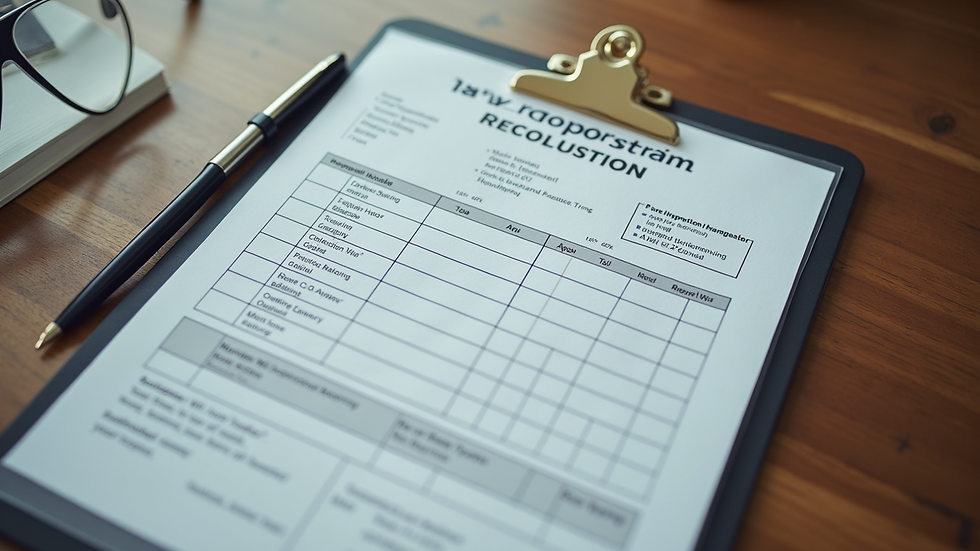
A comprehensive inspection checklist ensures that no critical area is overlooked. Here are the main components typically included in a home inspection:
1. Structural Elements
Foundation: Inspect for cracks, settling, or water damage.
Walls and Ceilings: Look for cracks, water stains, or signs of mold.
Floors: Check for unevenness or damage.
2. Roof and Attic
Roof Covering: Assess shingles, tiles, or metal for wear or damage.
Gutters and Downspouts: Ensure proper drainage and no blockages.
Attic Ventilation and Insulation: Check for adequate insulation and ventilation to prevent moisture buildup.
3. Plumbing System
Pipes and Fixtures: Look for leaks, corrosion, or outdated materials.
Water Heater: Check age, condition, and proper operation.
Sewage and Drainage: Ensure proper flow and no backups.
4. Electrical System
Wiring and Panels: Inspect for outdated wiring, proper grounding, and breaker function.
Outlets and Switches: Test for safety and functionality.
Smoke Detectors: Verify presence and working condition.
5. Heating, Ventilation, and Air Conditioning (HVAC)
Furnace and Air Conditioner: Check age, condition, and operation.
Ductwork: Look for leaks or blockages.
Thermostats: Test for accuracy and responsiveness.
6. Interior Components
Doors and Windows: Check for proper operation, seals, and damage.
Cabinets and Countertops: Inspect for damage or wear.
Appliances: Test included appliances for functionality.
7. Exterior Components
Siding and Paint: Look for damage, rot, or peeling paint.
Driveways and Walkways: Check for cracks or trip hazards.
Decks and Porches: Inspect for structural integrity and safety.
This checklist is a general guide. Depending on the property, additional inspections may be necessary, such as pest control or radon testing.

How to Prepare for a Home Inspection
Preparation can make the inspection process smoother and more effective. Here are some tips to get ready:
Attend the Inspection: Being present allows you to ask questions and see issues firsthand.
Provide Access: Ensure all areas, including the attic, basement, and garage, are accessible.
Gather Documentation: Have records of past repairs, warranties, and maintenance ready.
Clear Clutter: Remove items that may block access to important areas.
Test Utilities: Make sure water, electricity, and gas are turned on for proper testing.
By preparing well, you help the inspector do a thorough job and gain a better understanding of the home's condition.
Understanding and Using the Inspection Report
After the inspection, you will receive a detailed report. This document is crucial for making informed decisions. Here’s how to use it effectively:
Review All Findings: Read through every section carefully.
Prioritize Issues: Identify urgent repairs versus minor maintenance.
Request Estimates: Get quotes for necessary repairs to understand costs.
Negotiate with Sellers: Use the report to ask for repairs or price adjustments.
Plan Future Maintenance: Some issues may not require immediate action but should be monitored.
If you want to learn more about specific home inspection details, you can visit Sweetwater Inspections for expert guidance and services.
Final Steps After the Inspection
Once you have the inspection report and have negotiated any repairs, you can move forward with confidence. Here are the final steps:
Confirm Repairs: Ensure agreed-upon repairs are completed satisfactorily.
Schedule Re-inspection: If necessary, have the inspector verify repairs.
Complete Your Purchase: Proceed with closing the deal knowing the home's condition.
Plan for Maintenance: Use the inspection insights to maintain your home proactively.
A thorough home inspection and checklist help you avoid surprises and protect your investment for years to come.
By understanding the home inspection process and using a detailed inspection checklist, you can make smarter decisions when buying a home. This knowledge empowers you to identify potential problems early and negotiate effectively. Remember, a well-conducted inspection is an essential step toward owning a safe and comfortable home.


Comments